
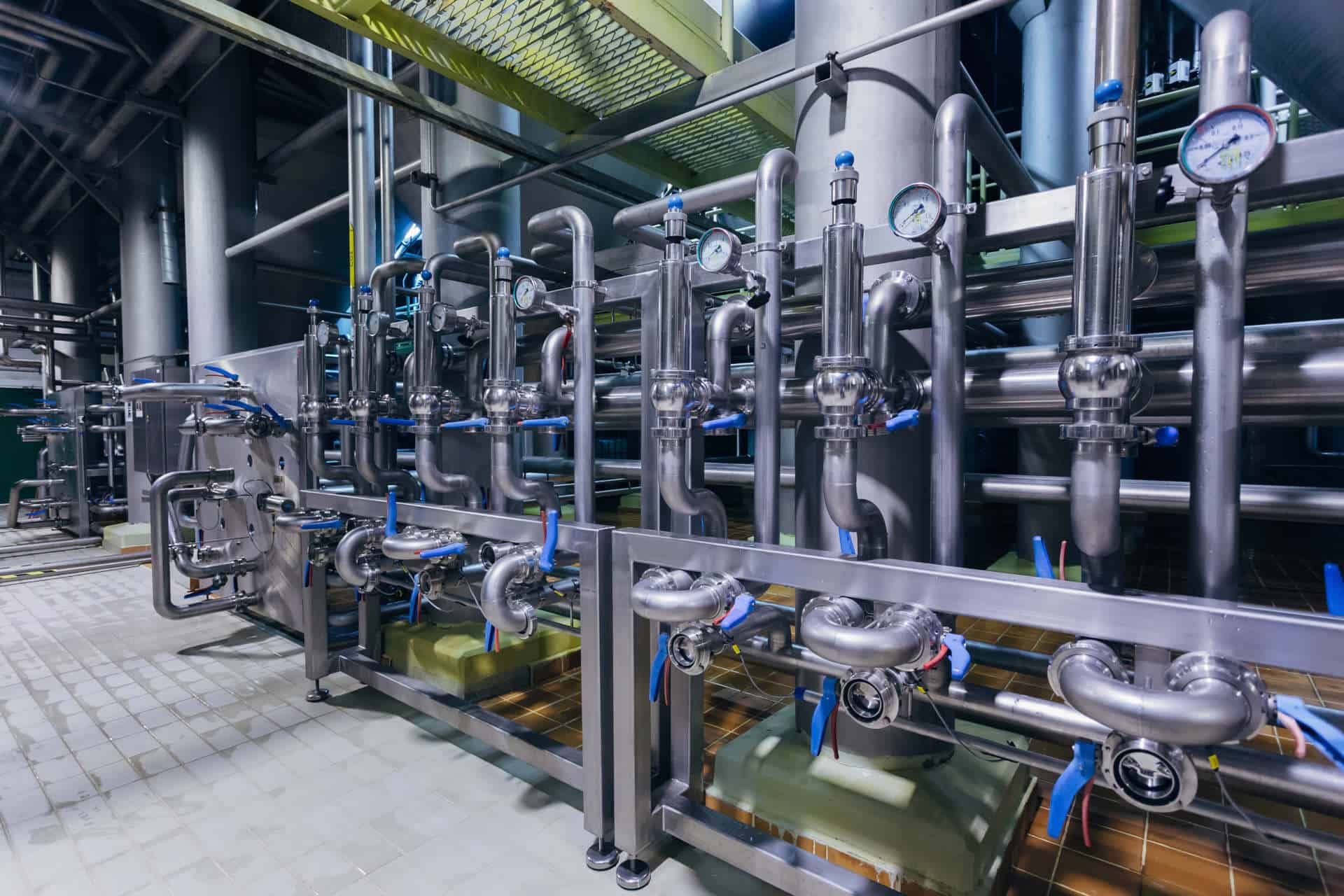
Legionella Risk Assessments
Being non-compliant with the Health and Safety at Work Act and ACOP L8 can land you in serious trouble, however we make compliance easy. Protect your workforce and your business with a comprehensive Legionella Risk Assessments from H2O Hygiene. Call us now on 01922 666108 and book your assessment in minutes
- Nationwide commercial Legionella Risk Assessments
- Comprehensive remedial services to quickly and affordably address any issues
- Detailed reports for an in-depth understanding
- Expert engineers with years of experience
Book Your Free Consultation Now.
Certifications & Accreditations


Our Process
Legionella Risk Assessments: Our Step by Step Process
To ensure a thorough assessment of your premises, we operate a proven five-step process for each risk assessment and provide you with a free Legionella Risk Assessment quote.
-
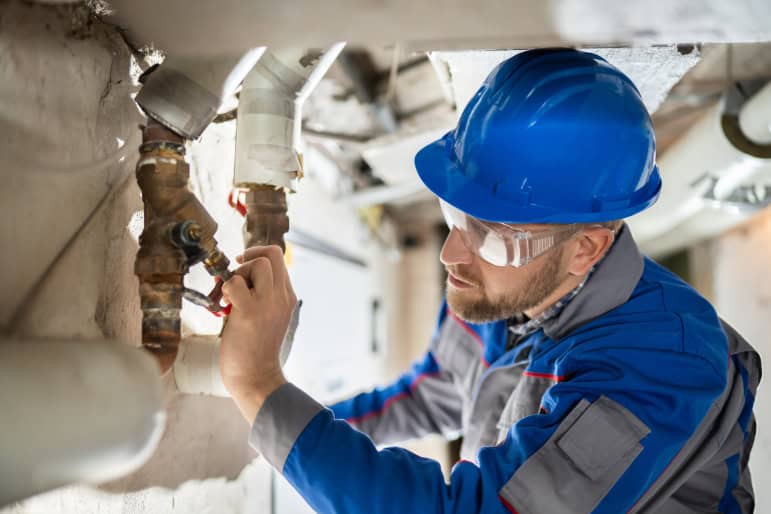
01. 1. Survey the Entire Water SystemTo begin with, we’ll survey your whole water system. This gives us a top-to-bottom picture of how the water flows through your building to ensure that no sections are overlooked. Our assessor will then produce a schematic drawing of your entire water system. This schematic drawing will reference all water-related assets, so it is imperative that we have full access to the building; the more detailed we can be the better. Our engineers are as accommodating as they possibly can be during this step to ensure building operations continue as normal.
-
02. 2. Evaluate Water TemperaturesOnce we know how the water travels throughout your building, we’ll record the water temperatures at each section of the system. Legionella bacteria grow in warm water, so any areas that are warm for long periods could be a potential risk and need to be identified. Our engineers use precision-calibrated equipment to ensure the most accurate readings.

-
03. 3. Identify Potential Stagnation PointsAs well as temperature control, the other risk factor that Legionella thrives in is still or stagnant water. We’ll cross-reference our temperature readings with any points in your schematic drawing where water is stagnant for extended periods. This could be where water is supplied to rarely used rooms or where water is dormant during periods of non-use, such as holidays or refurbishments.

-
04. 4. Assess the Condition of EquipmentAgeing or damaged water related assets can increase the chances of water becoming stagnant within your domestic system. To determine whether your system is being hindered by deteriorating assets , we’ll assess the overall condition of any water related assets such as pumps, storage tanks and hot water storage cylinders and provide a series of recommendations if action is recommended.
-
05. 5. Review Current Control MeasuresThe final stage of our Legionella Risk Assessment process is to review your existing control measures. Our team will identify what you’re already doing to prevent Legionella and where gaps in your control measures might be putting you at risk of compliance breaches or health and safety concerns. We will provide a full report and can offer tailored recommendations on how to improve any shortfalls and strengthen your control measures, keeping you compliant and safe.





Do You Need A Legionella Risk Assessment?
If you’re responsible for a building where water is used or stored, you’ll need to undertake a Legionella Risk Assessment. This includes
Offices, factories and public buildings.
Hospitals and care homes containing vulnerable residents.
Hotels, leisure centres and spas with complex water systems.
Schools and universities with extensive plumbing networks.
Locations We Serve
Why Choose H2O Hygiene?
At H2O Hygiene, we take the hassle out of compliance. With a nationwide team of highly trained engineers, we can conduct Legionella Risk Assessments wherever you are, no matter the industry or property type.
You can access your reports and monitor management plans anytime using your secure H2O portal account login, this makes keeping track of demonstrating your compliance simple too. We’ve become one of the UK’s most reliable Legionella Risk Assessment companies since 2017 and make our service and communication some of our top priorities.
For leading water hygiene services and Legionella Risk Assessments you can depend on, trust H2O Hygiene.
For water hygiene services you can depend on, trust H2O Hygiene.Protect Your People & Property
Get a tailored Legionella Risk Assessment with clear reporting and no hidden costs.
Key Benefits of Legionella Risk Assessments
Trusted by businesses UK wide.
Expert Assistance Across the UK
No matter where your site is based within the UK, our expert team is always ready to deliver fast, reliable Legionella Risk Assessments. Don’t let delays or poor service compromise your water safety – we’re here to help when others fall short.Accredited Experts, Unmatched Service
Our fully accredited team brings expert knowledge and dedication to every assessment. With years of experience, you can rely on us for thorough, tailored solutions that ensure your water systems are safe and compliant.Detailed Insights Without the Wait
We know how disruptive delays can be. That’s why we provide quick, detailed reports with actionable insights, addressing any concerns without unnecessary downtime.Scalable Solutions and Customised Support
Every business is unique, which is why we offer tailored, scalable solutions designed specifically for your water systems. With transparent pricing and no hidden fees as part of your Legionella Risk Assessment quote, we deliver expert services that meet your needs without any unexpected costs.Download Your Free Legionella Risk Assessment Guide
Essential insights, compliance checklists, and expert tips—straight from accredited specialists.

Got a Question?
Frequently Asked Questions
A Legionella Risk Assessment involves a comprehensive evaluation of your water systems to identify any areas of contamination or potential risk. This process includes:
- Inspecting the water systems, including storage tanks, to identify any stagnation points.
- Checking water temperatures to ensure they are within the recommended safe ranges.
- Assessing the overall system cleanliness and design.
This thorough evaluation ensures compliance with health and safety standards to protect individuals and prevent costly outbreaks.
Legionella bacteria can cause Legionnaires’ disease, a severe form of pneumonia, and other illnesses like Pontiac fever. These conditions can be life-threatening, particularly for vulnerable groups such as older adults, people with weakened immune systems and those with respiratory issues.
A Legionella Risk Assessment helps identify potential breeding grounds for bacteria within water systems. By spotting risks early, you can take preventive measures to reduce the risk of outbreaks. It’s also a legal requirement for duty holders to manage health risks effectively with regular Legionella Risk Assessments and to ensure compliance with the Health and Safety at Work Act 1974, COSHH regulations and HSE’s ACOP L8 and HSG:274 regulations.
There’s no one-size-fits-all answer. With simple buildings where the risks are low, we recommend that the basic rule of thumb is to review your risk assessment every two years, or sooner if there is a significant change. If you have any open water systems, such as cooling towers, spa pools or evaporative condensers, reinspection may need to be more frequent. General guidelines suggest:
- Regular reviews of risk assessments, especially after any system changes, such as alterations to pipework or usage patterns
- Following an incident such as a Legionella outbreak
- In cases where tenants are moving into a property that has been unoccupied for a considerable amount of time
- When a property changes hands, or there’s a change of duty holder, Responsible Person, or site maintenance personnel
Regular risk assessment reviews are essential to ensure ongoing compliance and address any new risks.
Yes, absolutely. Under the Health and Safety at Work Act and ACOP L8 under HSE regulations, landlords and responsible persons are legally required to conduct regular Legionella Risk Assessments. If you are responsible for your property’s water system, you need to keep an up-to-date record of your Legionella Risk Assessments to prove you’re meeting your obligations.
The safest and most reliable way to complete a Legionella Risk Assessment is to use a qualified water hygiene specialist such as H2O Hygiene. While in-house staff can carry out an assessment if they have completed Legionella training and fully understand water systems and associated risks, this approach carries potential pitfalls. Without the right expertise and practical experience, important risks may be overlooked. If this leads to any Legionella-related harm affecting a tenant, employee, or other building user, you could be held legally accountable.
In short, partnering with a professional ensures the assessment is carried out correctly and keeps you compliant with your legal responsibilities.
Preventing Legionella in water systems requires a combination of temperature control, safe system design and regular maintenance. The most effective step is to keep hot water above 60°C and cold water below 20°C, as Legionella bacteria thrive in lukewarm conditions.
Preventing stagnation is also key – outlets should be flushed regularly, and pipework should be designed to keep water flowing. Routine system maintenance, such as cleaning and disinfecting tanks, descaling outlets and checking for corrosion, minimises the risks of bacteria build-up. Monitoring water quality and treating water systems with appropriate chemicals can also help prevent bacteria from proliferating.
Acting on the recommendations within your Legionella Risk Assessment will be a positive step in keeping your water systems compliant and safe.
Our Reviews
What Our Clients Say